prevent delamination in printed circuit board assembly manufacturer
Delamination in printed circuit board (PCB) assembly is a critical issue that can compromise the reliability and performance of electronic devices. Delamination occurs when layers of the PCB substrate separate from each other, either partially or completely, due to factors such as temperature variations, moisture ingress, mechanical stress, or poor manufacturing processes. Preventing delamination requires careful consideration of materials, design, manufacturing processes, and environmental conditions throughout the PCB assembly process.
One of the primary ways to prevent delamination is to select high-quality materials for printed circuit board assembly manufacturer. The substrate material used in PCBs, typically fiberglass-reinforced epoxy laminate (FR-4), should have excellent thermal stability, mechanical strength, and resistance to moisture absorption. Choosing materials with low moisture absorption rates helps minimize the risk of delamination caused by moisture ingress, especially in humid environments or applications subjected to thermal cycling.
Furthermore, proper design considerations are essential for preventing delamination in PCB assembly. Designers should ensure that the PCB layout and stack-up are optimized to minimize thermal stress and mechanical strain on the substrate. This includes avoiding sharp corners and right-angle traces, which can concentrate stress and promote delamination, as well as providing adequate clearance between components and the PCB substrate to prevent mechanical interference and damage.
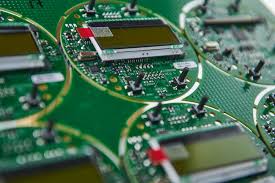
How do you prevent delamination in printed circuit board assembly manufacturer?
During the manufacturing process, strict quality control measures should be implemented to prevent delamination. This includes ensuring proper surface preparation, cleanliness, and adhesion of materials during the lamination process. The lamination process involves bonding multiple layers of the PCB substrate together using heat and pressure. Any contaminants or defects introduced during this process can compromise the integrity of the bond and lead to delamination. Therefore, manufacturers must maintain clean and controlled environments and adhere to recommended lamination parameters to minimize the risk of delamination.
Moreover, proper curing and post-processing steps are essential for preventing delamination in PCB assembly. After lamination, the PCB is typically subjected to a curing process to ensure proper bonding and consolidation of the substrate layers. Inadequate curing or insufficient post-processing steps can result in incomplete bonding and weak interfaces, making the PCB susceptible to delamination over time. Manufacturers must follow recommended curing profiles and post-processing procedures to achieve optimal bond strength and prevent delamination.
Environmental factors also play a significant role in delamination prevention. PCB assemblies should be designed and tested to withstand the environmental conditions to which they will be exposed during operation. This includes temperature cycling, humidity testing, vibration testing, and thermal shock testing to simulate real-world conditions and identify potential weaknesses or vulnerabilities that may lead to delamination. Additionally, conformal coatings and encapsulants may be applied to PCB assemblies to provide an additional layer of protection against moisture, contaminants, and mechanical stress, further reducing the risk of delamination.
In conclusion, preventing delamination in printed circuit board assembly requires a comprehensive approach that encompasses materials selection, design optimization, manufacturing processes, quality control measures, and environmental testing. By carefully considering these factors and implementing best practices throughout the PCB assembly process, manufacturers can minimize the risk of delamination and ensure the reliability and longevity of electronic devices. Delamination prevention is crucial for maintaining the performance and integrity of PCB assemblies in a wide range of applications, from consumer electronics to aerospace and defense systems.