
thermal management in PCB prototypes
Ensuring effective thermal management in PCB prototypes is essential to prevent overheating, ensure reliability, and enhance the performance of the final product. As electronic components generate heat during operation, managing that heat is crucial to maintain the stability of the PCB prototype and prevent damage to sensitive components. Proper thermal management involves several design considerations and techniques that address heat dissipation and distribution across the board.
One of the most important ways to manage heat in a pcb prototype is through the careful placement and layout of components. High-power components that generate substantial heat should be strategically positioned to prevent heat accumulation in one area of the board. For instance, placing heat-sensitive components away from heat-generating ones can help maintain optimal temperature conditions. In addition, ensuring adequate space between components allows for better airflow, which contributes to heat dissipation. Designing the PCB prototype with proper spacing and layout considerations can significantly reduce the risk of localized overheating and improve the overall heat distribution across the board.
Another critical factor in thermal management is the use of thermal vias. Thermal vias are small holes filled with copper that connect different layers of the PCB prototype. These vias allow heat to travel more efficiently between layers, helping to spread the heat more evenly across the board. Thermal vias are especially useful in multilayer PCBs, where heat needs to be effectively transferred from the top layer to the internal layers and vice versa. By strategically placing thermal vias near heat-generating components, designers can facilitate better heat dissipation and improve the thermal performance of the PCB prototype.
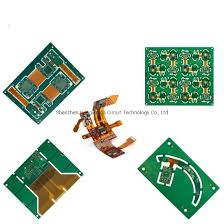
How do you ensure thermal management in PCB prototypes?
The choice of materials used in the PCB prototype also plays a significant role in thermal management. Copper, for example, is an excellent conductor of heat and is commonly used in PCB prototypes to ensure efficient heat transfer. Additionally, using materials with higher thermal conductivity in specific layers or components of the PCB prototype can help to distribute and dissipate heat more effectively. In some cases, using a metal core PCB (MCPCB) design can further enhance heat dissipation. MCPCBs incorporate a metal substrate, often aluminum, which helps transfer heat away from the components and into the surrounding environment. This design is especially useful for high-power applications where heat management is critical.
Incorporating heat sinks and other cooling solutions is another effective way to manage thermal issues in a PCB prototype. Heat sinks are typically made from materials with high thermal conductivity, such as aluminum, and are attached to high-power components to help dissipate the heat they generate. These heat sinks increase the surface area in contact with the surrounding air, allowing heat to be transferred more efficiently. Other cooling solutions, such as fans or thermal pads, may also be used in conjunction with heat sinks to improve the overall cooling efficiency of the PCB prototype.
Thermal simulation and analysis during the design phase are also essential in ensuring proper thermal management in PCB prototypes. Using thermal simulation software, designers can model how heat will flow through the PCB and identify potential hotspots before the prototype is manufactured. This allows for the optimization of the PCB layout, component placement, and the inclusion of thermal vias or heat sinks to prevent overheating. Performing these simulations helps to ensure that thermal issues are addressed early in the design process, avoiding costly modifications or performance issues after the PCB prototype has been produced.
