
custom pcb be recycled
Custom PCBs (Printed Circuit Boards) are ubiquitous in modern electronics, serving as the backbone of countless devices, from smartphones and laptops to medical equipment and automotive systems. However, as electronic waste (e-waste) continues to be a growing environmental concern, the recyclability of custom PCBs has come under scrutiny. While PCB recycling presents unique challenges due to the complexity of their materials and components, advances in technology and sustainable practices are paving the way for more efficient and environmentally friendly recycling solutions.
One of the primary challenges in recycling custom PCBs lies in their composition, which includes a variety of materials such as fiberglass, copper, solder, and electronic components. Traditional recycling methods, such as mechanical shredding and separation, are often inadequate for effectively recovering valuable materials from PCBs due to their intricate design and complex construction. As a result, custom PCBs are often incinerated or disposed of in landfills, contributing to environmental pollution and resource depletion.
However, efforts to improve the recyclability of custom pcb are underway, driven by advancements in recycling technologies and the growing awareness of the need for sustainable practices in the electronics industry. One promising approach is the development of innovative recycling processes, such as pyrolysis and hydrometallurgy, which use heat, chemicals, or biological agents to break down PCBs into their constituent materials for recovery and reuse. These processes offer the potential to recover valuable metals like copper, gold, and silver from PCBs, reducing the need for virgin materials and mitigating environmental impact.
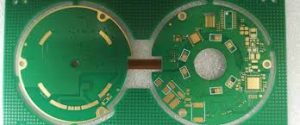
Can custom pcb be recycled?
Furthermore, initiatives to promote circular economy principles in the electronics industry are driving the adoption of more sustainable practices, including design for recyclability and extended producer responsibility (EPR) programs. Design for recyclability involves designing PCBs with disassembly and material recovery in mind, using standardized components and materials that are easier to recycle. EPR programs hold manufacturers accountable for the end-of-life management of their products, incentivizing them to design products with recyclability and sustainability in mind.
In addition to technological and regulatory advancements, consumer awareness and engagement are essential for driving the adoption of PCB recycling initiatives. Educating consumers about the importance of recycling electronic waste and providing convenient recycling options can help increase participation and reduce the amount of PCBs ending up in landfills. Electronics manufacturers can also play a role by offering take-back and recycling programs for their products, encouraging customers to return old devices for responsible disposal and recycling.
While significant progress has been made in improving the recyclability of custom PCBs, challenges remain in scaling up recycling infrastructure, developing cost-effective processes, and ensuring the safe handling of hazardous materials. Collaborative efforts between industry stakeholders, government agencies, and research institutions are needed to address these challenges and drive innovation in PCB recycling technology.
In conclusion, while custom PCBs present unique challenges for recycling, advancements in technology, sustainable practices, and stakeholder collaboration are making PCB recycling a more viable and environmentally friendly option. By embracing circular economy principles, investing in recycling infrastructure, and promoting consumer engagement, the electronics industry can work towards a more sustainable future where custom PCBs are recycled responsibly, minimizing waste and conserving valuable resources for future generations.


