
circuits connected in PCB flex rigid
PCB flex rigid is a type of printed circuit board that combines the benefits of both rigid and flexible PCBs. It is used in a wide variety of applications, including medical devices and IoT products. Rigid-flex PCBs can offer a number of benefits over traditional rigid boards, including reduced production costs and higher efficiency. They also provide increased mechanical reliability. In addition, rigid-flex PCBs can be manufactured using more environmentally friendly processes than traditional rigid boards.
When designing a pcb flex rigid, there are some specific things to keep in mind. These include layer transition, thermal management, and assembly and manufacturing. In order to avoid signal degradation and impedance mismatches, it is important that designers pay close attention to the layer transition between the flex and rigid sections of the circuit. In order to prevent signal loss, it is essential that the layers transition smoothly and that the traces are properly sized. It is also important that designers avoid putting any vias in the transition area, as this will cause stress and cracking when the circuit is bent or folded.
The flex section of the circuit is typically referred to as a ribbon. This ribbon can be made from either electro-deposited or rolled copper foil. The ribbon is then bonded to the rigid section with a layer of polymide dielectric and an adhesive. The ribbon can then be plated with components. The ribbon can also be a single-sided or double-sided design. When a dual-sided design is required, the signal layers need to be moved below the ribbon, and these need to be accessible through button plating.
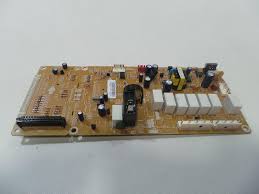
How are circuits connected in PCB flex rigid?
When a flex-rigid PCB is designed, it is important to use the right conductor material. Rigid-flex PCBs need to be able to withstand the same mechanical stresses as rigid PCBs, and this means that it is important that they use high-quality, corrosion-resistant materials. It is also important that the copper foils are treated to reduce surface oxidation and improve adhesion and bond strength.
Trace routing is also an important consideration in a flex-rigid PCB design. In particular, it is crucial that traces are routed perpendicular to the bend line. This will help to eliminate stress points that can lead to failure in the flex-rigid portion of the circuit. It is also important to ensure that the traces do not cross each other, which could result in shorts and other issues.
Rigid-flex circuits are able to tolerate many environmental conditions that would cause part failure in other PCBs, such as shock and vibration. They can also withstand temperature extremes, UV radiation, chemicals, oils, and other contaminants. Because of these characteristics, rigid-flex circuits are often the preferred option for highly reliable electronic devices and medical equipment. They are also more efficient than wired solutions, as they can reduce the overall size of a device while maintaining the same level of functionality. The tighter bend radius of a flex-rigid circuit allows the rigid areas to be placed closer together, reducing package size and weight.

