Thin Can Flex PCBs Be Made
PCBs have long been one of the most complex and delicate parts in electronic devices. They must not only function, but also withstand the physical stresses of an active device or machine. With recent innovations in printed circuit board manufacturing, however, these devices have become lighter and more durable, thanks to advances like flex PCB technology. These flexible circuit boards are able to withstand bending and movement, helping to reduce the number of points of failure in a device.
What are the key factors in designing a flex circuit boards? First, it is important to consider the operating environment for which the PCB will be designed. Whether it is designed for static applications that will experience minimal to no bending during operation or dynamic applications, such as wearable devices, the operating environment should be taken into consideration when designing the flex PCB.
Another key factor is the layer stack. Unlike rigid PCBs, which use a traditional network epoxy resin for their cores, flex circuit boards use a polyimide film to form their cores. This is because polyimide is incredibly tough and flexible, allowing the flex circuit to withstand a great deal of bending without failing. Additionally, polyimide is highly tolerant of solder reflow cycles and thermal expansion and contraction. For the rest of the flex circuit, additional films (usually PI or PET and sometimes flexible solder mask ink) are used as the coverlay. This insulates the conductors from the conductive copper layers, protecting them from corrosion and damage.
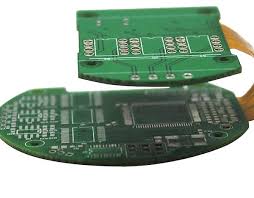
How Thin Can Flex PCBs Be Made?
Next, the design process must take into account a flex circuit’s copper thickness and pattern. The higher the copper thickness, the less a flex circuit will bend. The bending radius must also be considered. While a tighter bend radius increases flexibility, it also raises the risk of damage to the flex circuit during the manufacturing process. To avoid this, it is recommended to use smaller conductors and route them perpendicular to the bending direction of the flex circuit.
It is important to understand that a flex circuit must be able to withstand both a high amount of bending and a wide range of temperatures. In order to achieve this, a flex circuit must be constructed with the proper material, layout, and components. In addition, the design should be created with a flexible material to prevent the circuit from cracking or breaking in a harsh environment.
A flex circuit must also be constructed with pad fillets to improve etch yield and ensure that the copper is properly etched. It is also important to choose the correct plating method. Depending on the product, the flex circuit may require either panel or pad-only plating (button plating).
To help ensure that your flex circuit design can be manufactured, it is essential to work with a reputable and experienced PCB manufacturer. A good PCB manufacturer will have a team of experts ready to assist you with all of your needs, including advising you on the best flexible circuit board materials for your design.