Flux in Soldering During PCB SMT Assembly
Whether you are building the complex motherboard of a computer or a simple electronics hobby project, soldering is an essential step in creating your pcb smt assembly. Solder is a melted metal alloy that bonds to the metal surfaces of your components, forming an electrical and mechanical connection. In order for solder to bond properly, the surface of the components must be free of oxidation and other foreign materials. Soldering flux helps remove these contaminants and prepares the metal surface for the melted solder. Without the use of flux, these metals will not form a strong bond.
In most instances, soldering requires the use of a hot soldering iron to melt the solder onto the metal surfaces. However, before you can solder anything, you must apply the right type of flux to the metal surfaces. A flux is a chemical compound that is used to clean the surface of the metal and remove any oxidation before soldering. The correct type of flux should also allow the melted solder to flow and wet the surfaces that you are trying to connect, thereby forming a strong and reliable joint.
There are many different types of flux, each with its own benefits and drawbacks. For example, some types of flux contain acid that can damage the components over time. Others are toxic if they are ingested or inhaled and can pose a health risk to engineers and other personnel who work with them.
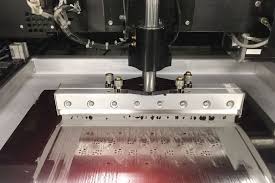
What is the Role of Flux in Soldering During PCB SMT Assembly?
The role of flux in soldering is important to consider when choosing a PCB manufacturer for your SMT project. If the wrong type of flux is used, it can create corrosive residues that will weaken the bond and reduce the strength and reliability of the finished product. In addition, improper use of flux can interfere with the normal functioning of electronic components.
Before using soldering flux, the metal surfaces that are slated to be soldered should be cleaned with a solvent. This should help to remove any dust, grime, or excessive oxidation that may be present. Once the surfaces are cleaned, the flux should be applied evenly to the metal surface.
Once the flux is applied, it should be allowed to dry for a few minutes. Then, the heat source should be removed and the solder wire should be applied to the joints. Once the solder has cooled, it should be inspected to ensure that a strong and reliable bond has been formed. If any defects are found, the joints should be reworked or re-soldering should be attempted.
The PCB smt assembly process involves a number of steps, and each step must be completed correctly in order to get the best results. If you are new to soldering, it is best to consult an expert who can walk you through the process and provide tips on how to perform each step. This will help you avoid making any mistakes that could lead to a poor-quality finished product.