flex circuit manufacturers use
Flex circuit manufacturers use a range of specialized materials to create flexible printed circuits (FPCs) that are durable, reliable, and capable of performing under various environmental conditions. These materials must be chosen carefully to ensure the circuit’s electrical and mechanical properties meet the specific requirements of the application. The core materials typically used in the production of flex circuits include the substrate, conductive copper, adhesive layers, and protective coatings, each of which plays an essential role in the final performance of the flex circuit.
The most fundamental material in flex circuit manufacturer is the substrate, which provides the flexible base upon which the circuit’s electrical paths are created. The substrate material must be flexible, durable, and capable of withstanding the mechanical stresses caused by bending and flexing. The most commonly used materials for the substrate include polyimide (PI) and polyester (PET). Polyimide is widely preferred due to its superior thermal stability, flexibility, and electrical properties, which make it ideal for high-performance applications. It is resistant to high temperatures and harsh chemicals, making it suitable for industries like aerospace, automotive, and medical devices. Polyester, while less expensive than polyimide, is more commonly used for lower-cost, less demanding applications where extreme performance is not a critical requirement.
Once the substrate is selected, the next key material used is copper foil, which serves as the conductive layer that forms the circuit pathways. Copper is the most commonly used material for this purpose due to its excellent electrical conductivity, which ensures that the flex circuit performs efficiently in transmitting electrical signals. The copper foil is typically laminated onto the flexible substrate using an adhesive layer. In some cases, the copper layer may be etched away through photolithography to create intricate circuit designs. The thickness of the copper foil can vary depending on the power requirements of the circuit and the design specifications. Thicker copper foils are used for circuits that need to carry higher currents, while thinner foils are sufficient for less power-intensive applications.
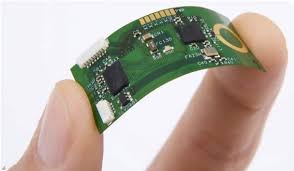
What materials do flex circuit manufacturers use?
To bond the copper to the substrate and ensure the stability of the circuit, manufacturers use various adhesive materials. The most common adhesives are acrylic and epoxy-based, chosen for their strong bonding properties, heat resistance, and compatibility with flexible materials. These adhesives must also maintain their integrity over time, especially when the circuit undergoes repeated bending and flexing during use. In some instances, manufacturers may use non-adhesive methods, such as laser etching or direct bonding techniques, to reduce the need for adhesives, which can sometimes add to the thickness or stiffness of the flex circuit.
In addition to the conductive copper and adhesive materials, flex circuit manufacturers often apply protective coatings to ensure the durability and reliability of the circuit. These coatings protect the circuit from environmental factors such as moisture, dust, and chemicals. One of the most common protective materials is a solder mask, which is typically a green layer of epoxy applied to the copper traces to prevent oxidation and protect them from mechanical damage. Other coatings include conformal coatings that provide a layer of protection against moisture and corrosion, and encapsulants that can provide additional protection for sensitive components on the circuit.
For circuits that require additional strength, manufacturers may incorporate reinforcement materials such as polyimide or fiberglass. These materials are typically added to the flex circuit in the form of a second layer or a composite material that improves the circuit’s structural integrity without compromising flexibility. This is particularly useful for rigid-flex circuits, where the flexible and rigid portions of the circuit need to be seamlessly integrated.
In conclusion, flex circuit manufacturers rely on a variety of materials to create flexible circuits that meet the demands of modern electronics. The choice of materials—substrates such as polyimide or polyester, conductive copper foil, adhesive layers, protective coatings, and reinforcement materials—affects the overall performance, durability, and reliability of the flex circuit. By selecting the right combination of materials, manufacturers ensure that flex circuits can perform efficiently in a wide range of applications, from consumer electronics to industrial and medical devices.